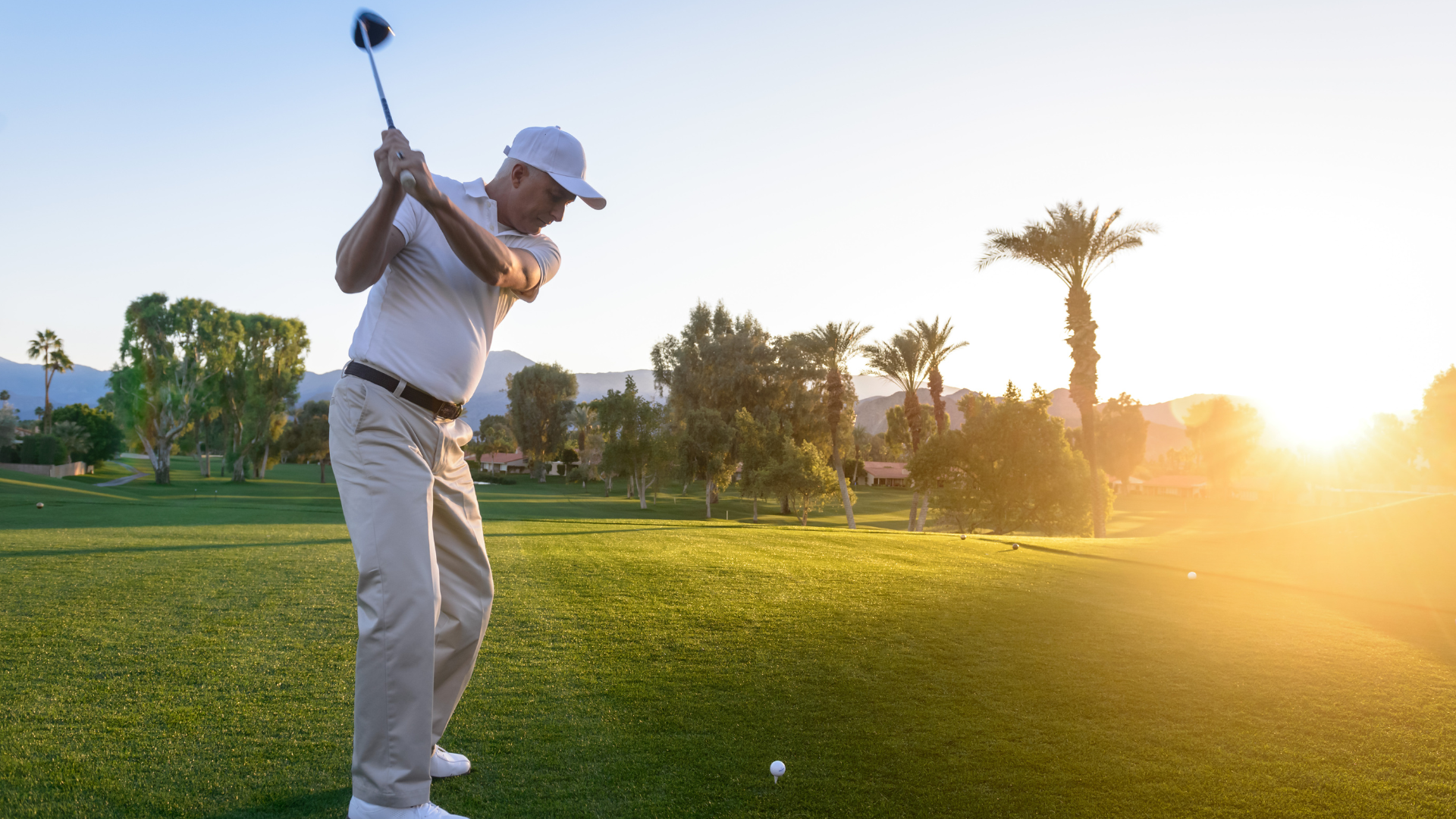
You love the game. The swing. The competition. The feel of the club connecting with the ball or the racket meeting the perfect serve.
But lately? Every swing sends a jolt of pain through your elbow.
You've tried resting. You've worn the brace. Maybe you've even gotten a cortisone shot. And sure, you felt better—for a while. But then the pain came back. Again.
Welcome to the frustrating world of tennis elbow and golf elbow (or, if we're being technical, lateral epicondylitis). It's one of the most stubborn, annoying injuries out there. And if you're an active person who refuses to give up your sport, it can feel like you're stuck between two bad options:
Keep playing in pain (and risk making it worse)
Stop playing altogether (which, let's be honest, isn't really an option)
But here's the good news: there's a third option. And it doesn't involve surgery, needles, or months on the sidelines.
It's called SoftWave Therapy—and it's changing the game for athletes dealing with chronic elbow pain.
What Is Tennis Elbow / Golf Elbow, Anyway?
Let's get clear on what we're dealing with.
Tennis elbow and golf elbow are both types of tendonitis—inflammation and degeneration of the tendons that attach to your elbow. Despite the names, you don't have to play tennis or golf to get them. (Though if you do, you're at higher risk.)
Here's what's happening:
Tennis elbow (lateral epicondylitis) affects the outside of your elbow. It's caused by repetitive wrist and arm motions—think backhand swings, typing, or gripping tools.
Golf elbow (medial epicondylitis) affects the inside of your elbow. It's caused by repetitive flexion and gripping—like your golf swing, throwing, or lifting.
Both conditions involve microtears in the tendon, which leads to pain, weakness, and inflammation. And here's the kicker: tendons heal slowly. Really slowly. Which is why rest alone usually doesn't cut it.
Why Traditional Treatments Fall Short
If you've been dealing with elbow pain, you've probably tried some (or all) of these:
❌ Rest
Sure, rest helps—temporarily. But the second you pick up that racket or club again? The pain comes roaring back. That's because rest doesn't actually heal the damaged tissue.
❌ Braces & Straps
They provide support and can reduce strain during activity, but they're a Band-Aid, not a cure. You're still dealing with damaged tendons underneath.
❌ Cortisone Injections
Cortisone can reduce inflammation and provide short-term relief. But here's the problem: it doesn't promote healing. In fact, repeated cortisone shots can actually weaken the tendon over time.
❌ Physical Therapy (the old-school kind)
Stretching and strengthening are important—but if the tendon tissue itself isn't regenerating, you're still fighting an uphill battle.
❌ Surgery
Surgery is an option for severe cases, but it's invasive, expensive, and comes with a long recovery. Plus, there's no guarantee it'll solve the problem.
So what's left?
Enter: SoftWave Therapy
SoftWave Therapy is a non-invasive, regenerative treatment that uses acoustic wave technology to stimulate your body's natural healing response at the cellular level.
Here's how it works:
When acoustic waves are applied to the injured area, they:
Increase blood flow to the damaged tissue
Stimulate the production of growth factors (your body's repair crew)
Break down scar tissue that's limiting mobility and causing pain
Promote new blood vessel formation (a process called neovascularization)
Trigger tissue regeneration so the tendon actually heals—not just feels better temporarily
In other words: SoftWave doesn't just mask the pain. It heals the root cause.
Why SoftWave Works for Tennis & Golf Elbow
Tendon injuries are notoriously difficult to treat because tendons have poor blood supply. Without adequate blood flow, healing is slow—or stalls altogether.
SoftWave changes that. By dramatically increasing blood flow and stimulating cellular repair, it jumpstarts the healing process in a way that rest, bracing, or even traditional PT can't.
And the results speak for themselves:
✅ Non-invasive – No needles. No surgery. No incisions.
✅ No downtime – You can get treated and go about your day.
✅ Fast results – Many patients notice improvement within a few sessions.
✅ Long-lasting – Because we're healing the tissue, not just masking symptoms.
What Does Treatment Look Like?
Here's what you can expect:
Assessment – We evaluate your elbow, range of motion, and pain level.
Treatment – The SoftWave device is applied directly to the affected area. You'll feel a pulsing sensation, but it's not painful. Sessions typically last 10-15 minutes.
Results – Most patients need 6-8 sessions, spaced out over a few weeks. You'll start noticing improvement early on.
Back to the game – Once your tendon has healed, you can return to your sport—pain-free.
The Best Part? We Come to You.
Recovering from an injury shouldn't disrupt your life. That's why we offer mobile SoftWave Therapy in St. Louis and St. Charles.
No driving. No waiting rooms. Just expert treatment delivered straight to your door—on your schedule.
Don't Let Elbow Pain Bench You
You didn't work this hard to stay on the sidelines. Whether you're a weekend warrior, a competitive athlete, or just someone who loves their game—you deserve to play pain-free.
Call or text us at 314-517-7669 to see if SoftWave Therapy is right for you.
Let's get you back in the game—faster, stronger, and without the pain.
SoftWave Therapy for Tennis & Golf Elbow | Mobile Treatment in St. Louis & St. Charles