
CORE Knowledge
Expert advice for moving well, aging strong, and recovering smart.
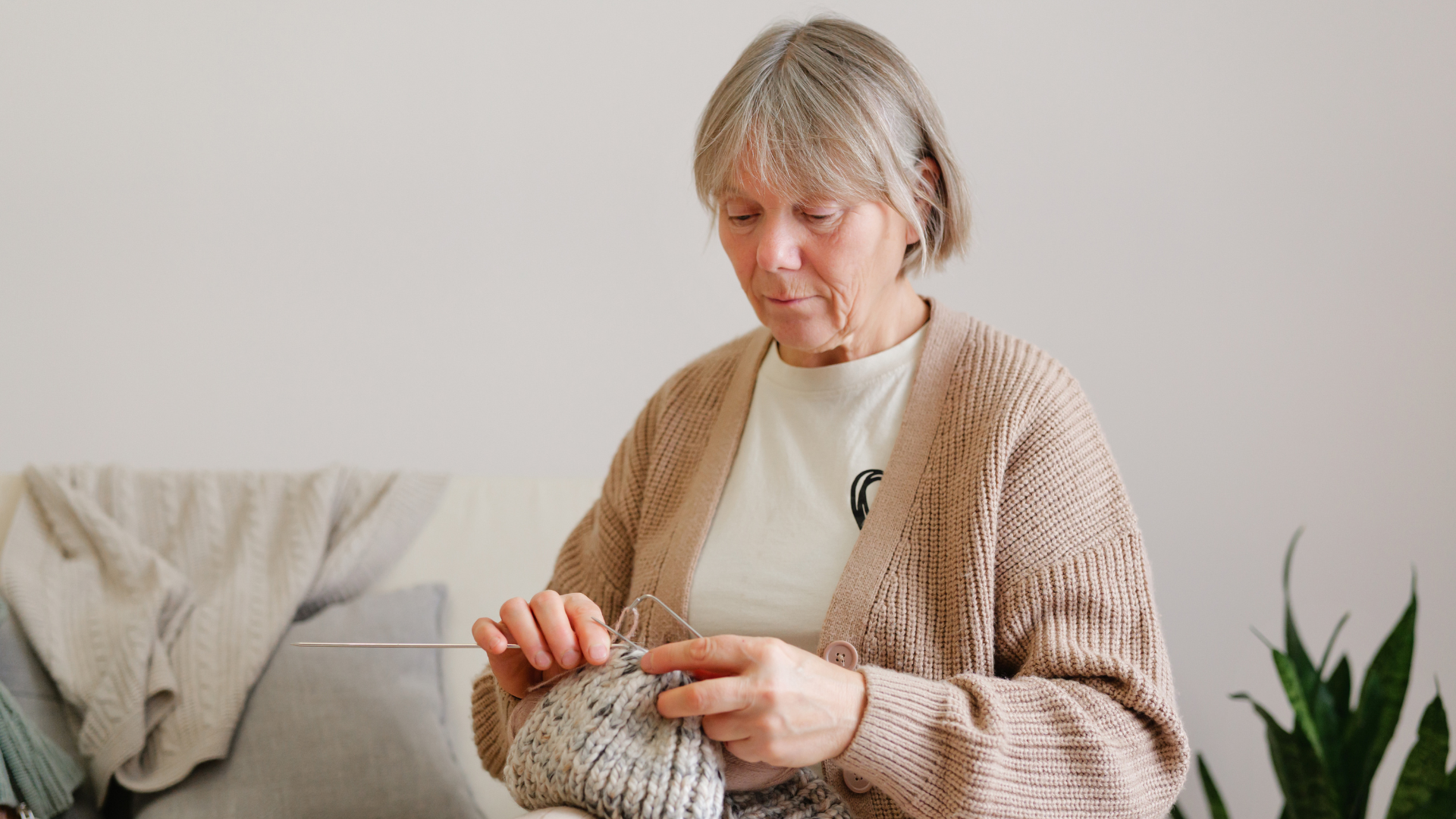
What Menopause Does to Your Pelvic Floor — And Why PT Is One of the Best Interventions Available
The menopause conversation has expanded significantly in recent years. Hot flashes, night sweats, brain fog, weight gain, hormone therapy — these topics are increasingly visible in both clinical and public discourse. What remains largely absent from that conversation is the specific, significant, and very treatable impact of menopause on the pelvic floor.

Can't Feel Your Pelvic Floor Relaxing? These Two Mental Cues Actually Work
One of the most common challenges in pelvic floor physical therapy — particularly for patients working on releasing an overactive floor — is the difficulty of translating anatomical instruction into felt, embodied experience.
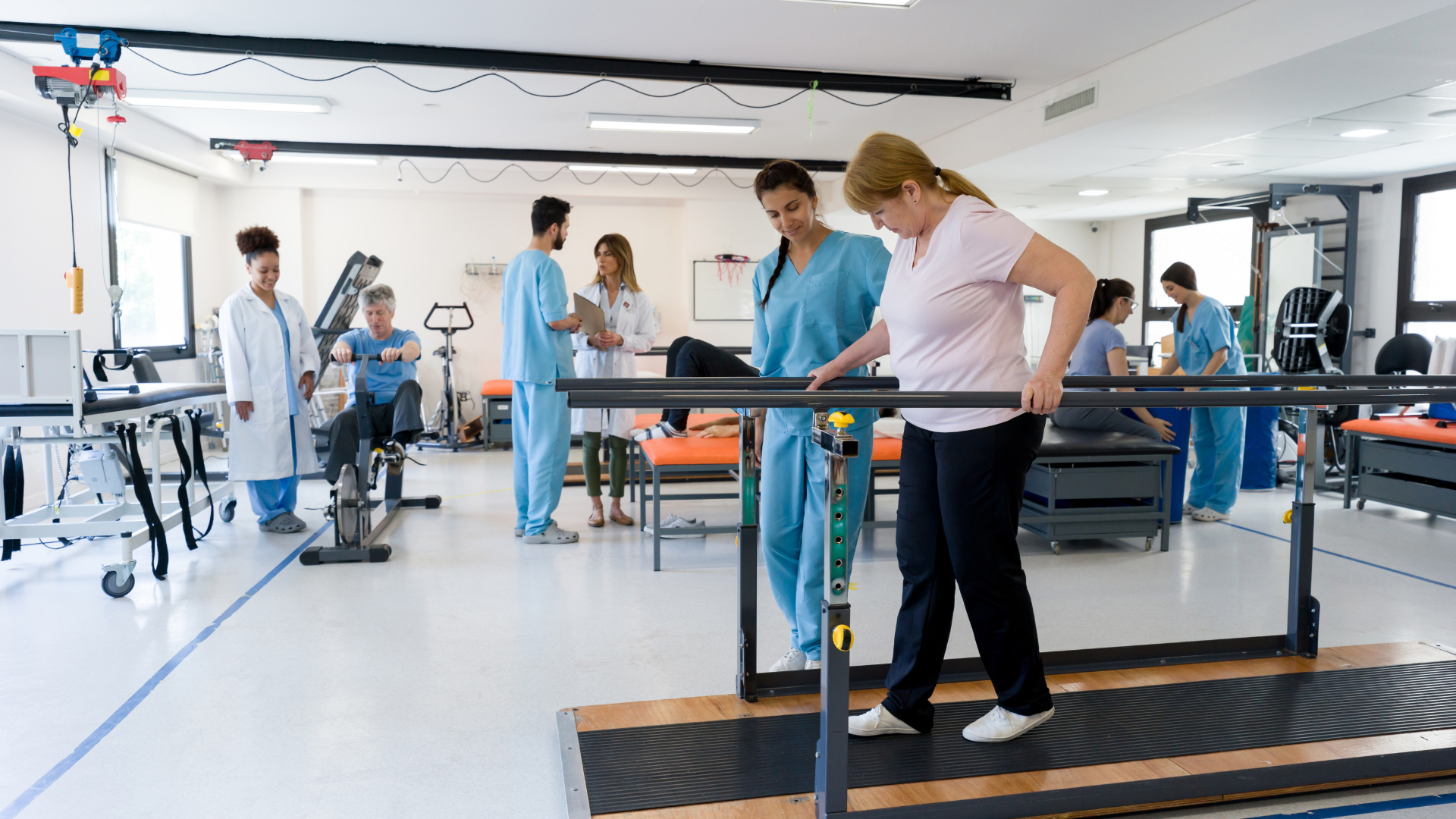
The Caregiver's Body: Why In-Home Neuro PT Isn't Just for the Patient
The caregiver's physical and emotional state has a direct clinical impact on the patient's outcomes. Caregiver burnout reduces the quality and consistency of care.

IT Band Syndrome: Why Foam Rolling Doesn't Fix It (And What Actually Does)
Understanding why foam rolling doesn't work requires understanding what the IT band actually is — and where the tension is really coming from.
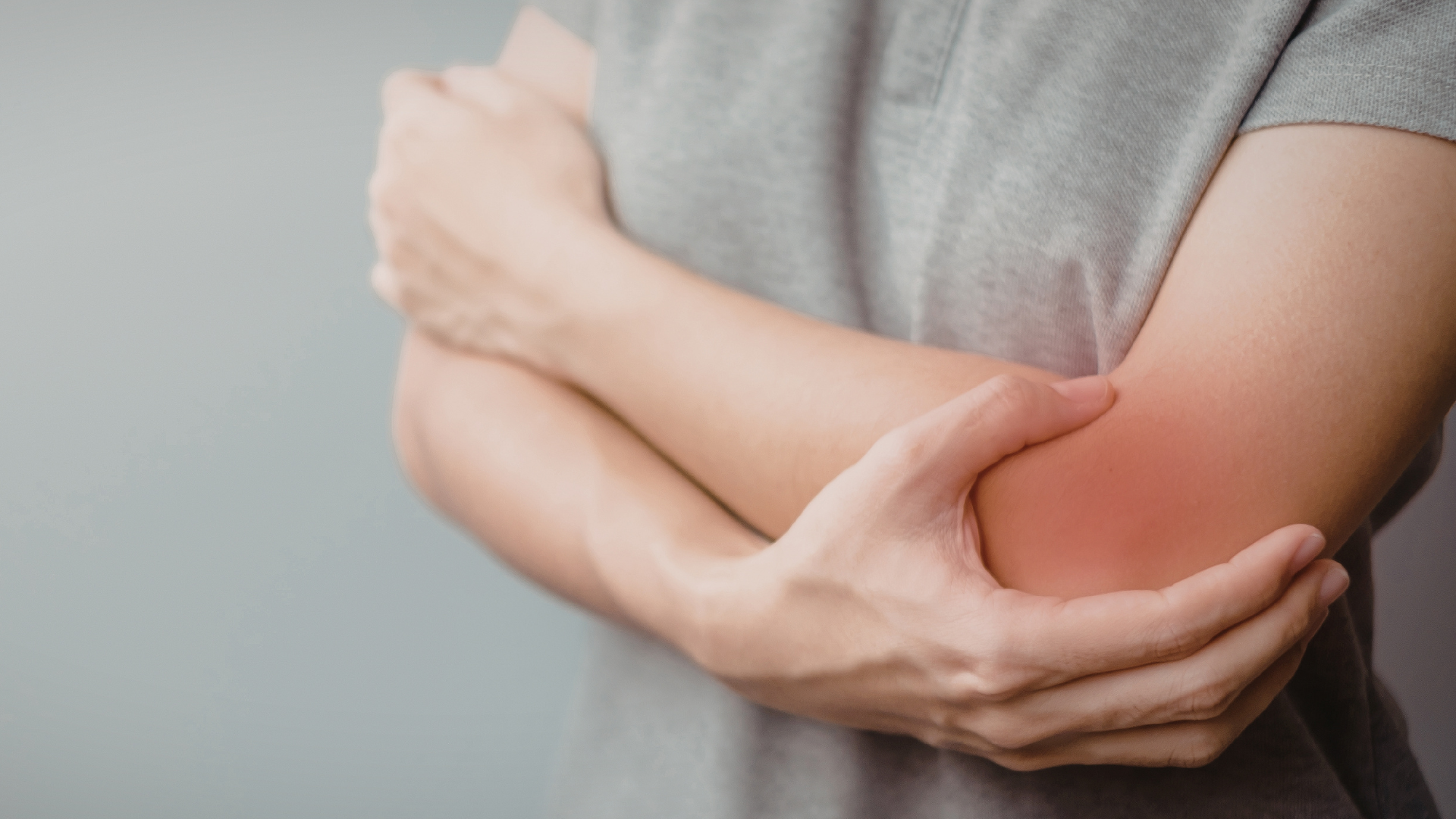
Why Tennis Elbow Keeps Coming Back — And the Treatment That Addresses the Root Cause
If you've had tennis elbow for more than a few months, you've probably already tried the brace, the anti-inflammatory medication, maybe a cortisone injection.
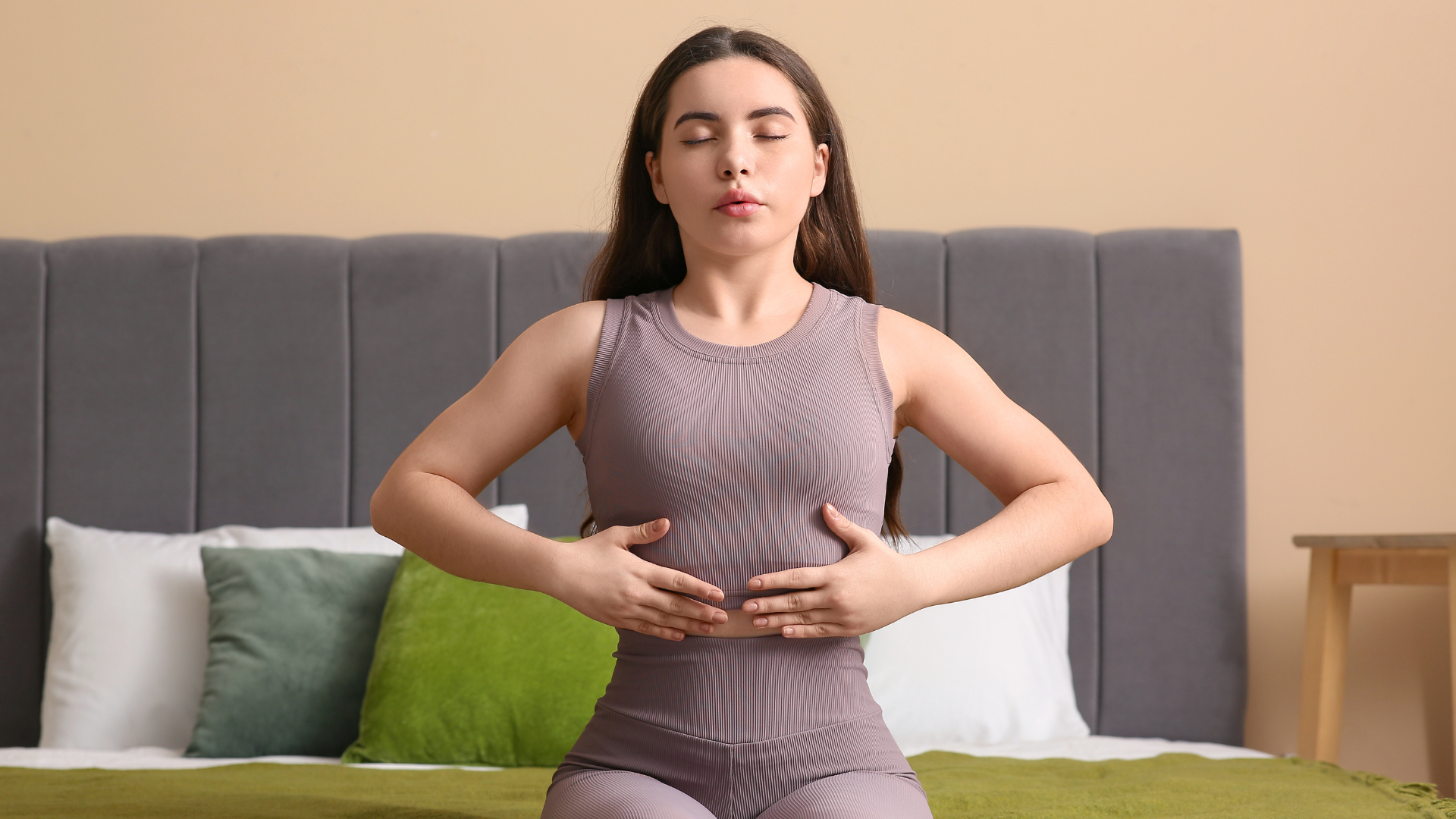
Why Breathing Is the Foundation of Pelvic Floor Recovery — The Diaphragm-Pelvic Floor Connection
The diaphragm and the pelvic floor function as the top and bottom of the body's primary pressure management system.

MS Fatigue and the "Push Through It" Myth: What Neurological PT Actually Recommends
MS fatigue — sometimes called lassitude to distinguish it from general tiredness — is a neurological symptom with specific biological causes.
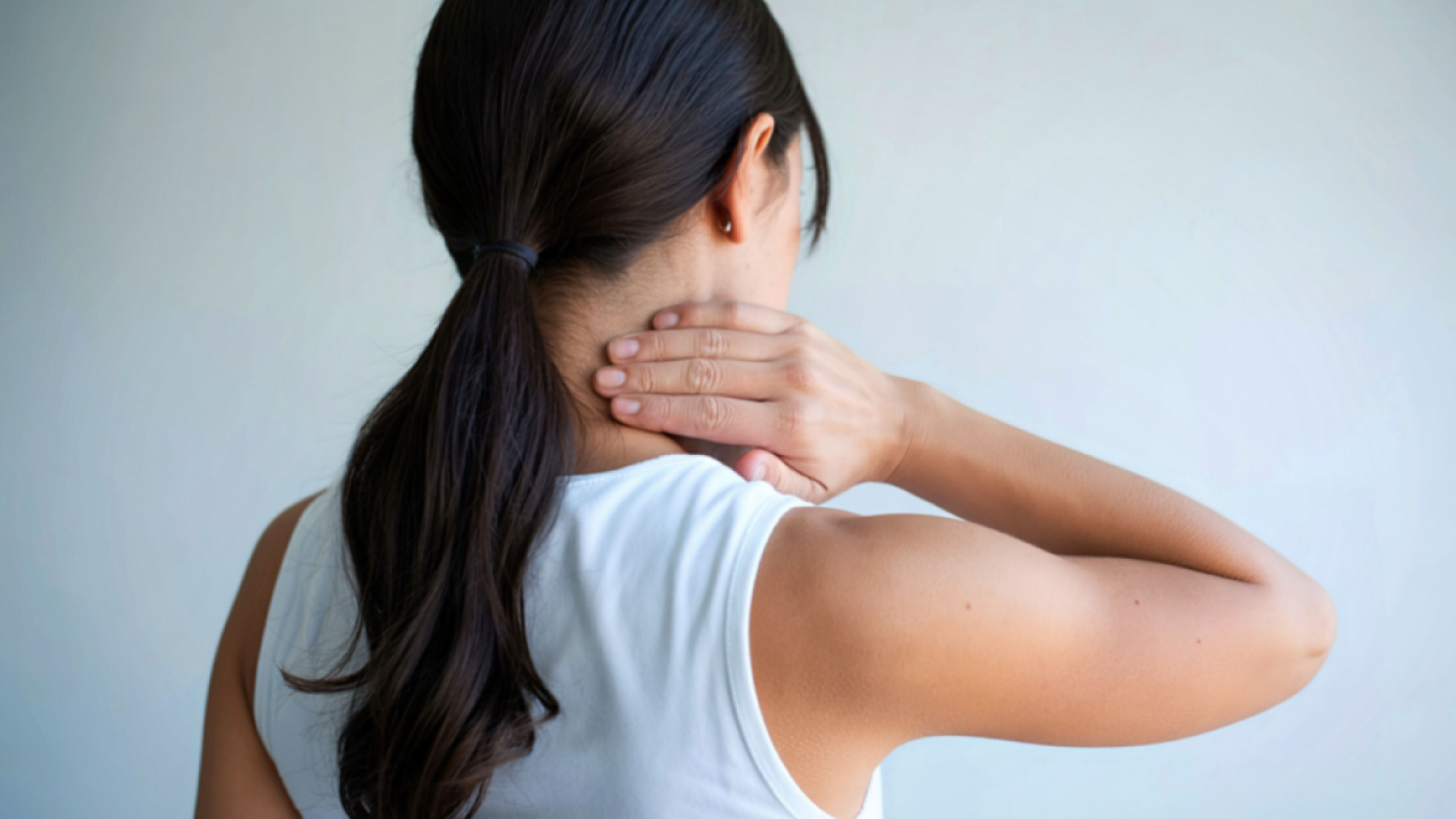
Tech Neck Is a Structural Crisis in Slow Motion. Here's What's Happening in Your Muscles
The posterior cervical chain — the muscles running from the base of the skull down through the upper back — is designed to hold the head over a balanced, upright spine. When the head is displaced forward, these muscles must work continuously against gravity at a severe mechanical disadvantage.
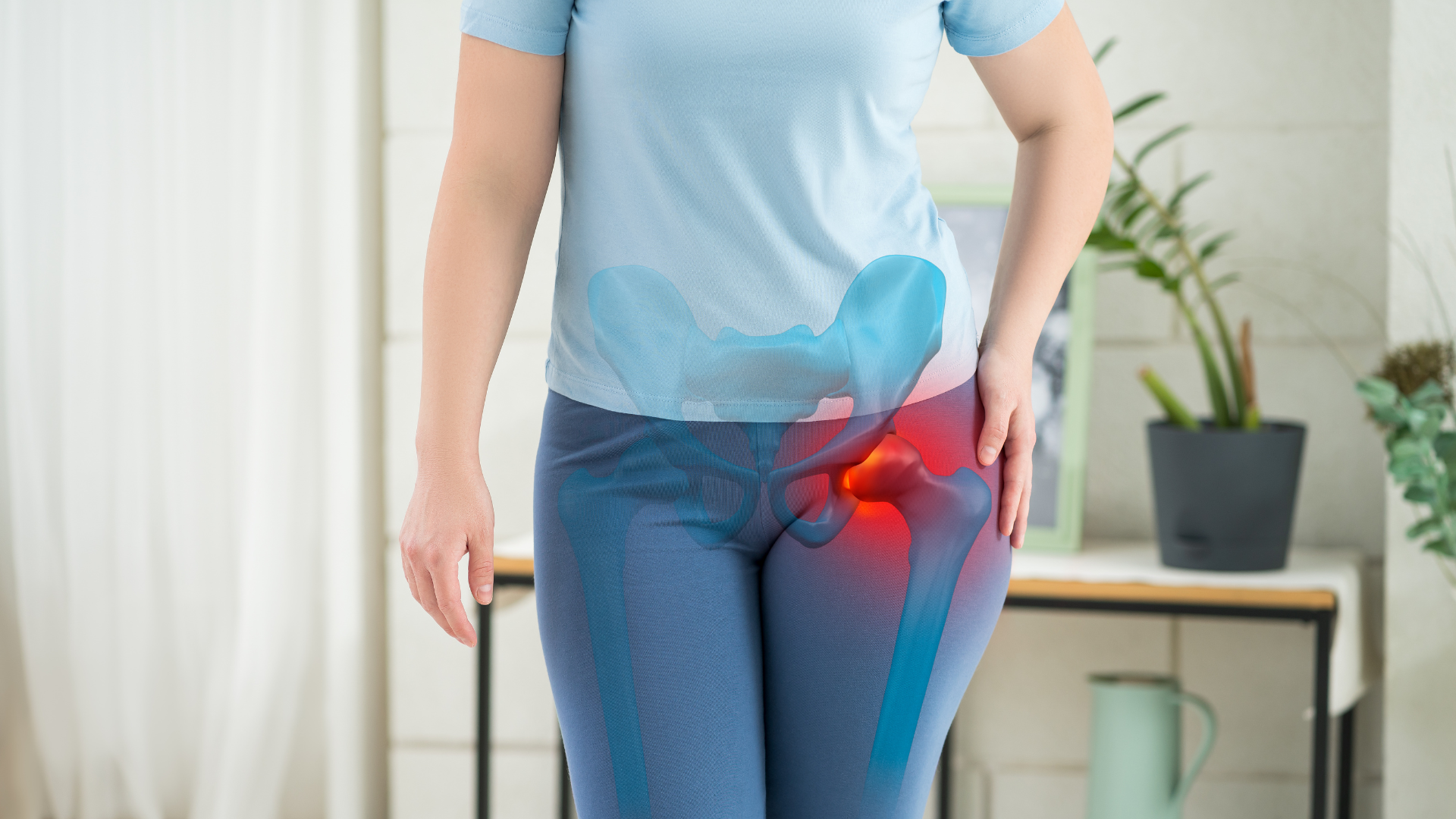
Greater Trochanteric Bursitis: Why Cortisone Keeps Wearing Off (And What Lasts Longer)
Greater trochanteric bursitis is one of the most common causes of lateral hip pain, particularly in women over 40 — and one of the most frequently mismanaged.
Why Kegels Are the Wrong Answer for an Overactive Pelvic Floor — And What to Do Instead
To understand why Kegels fail for an overactive pelvic floor, it helps to think about basic muscle physiology.
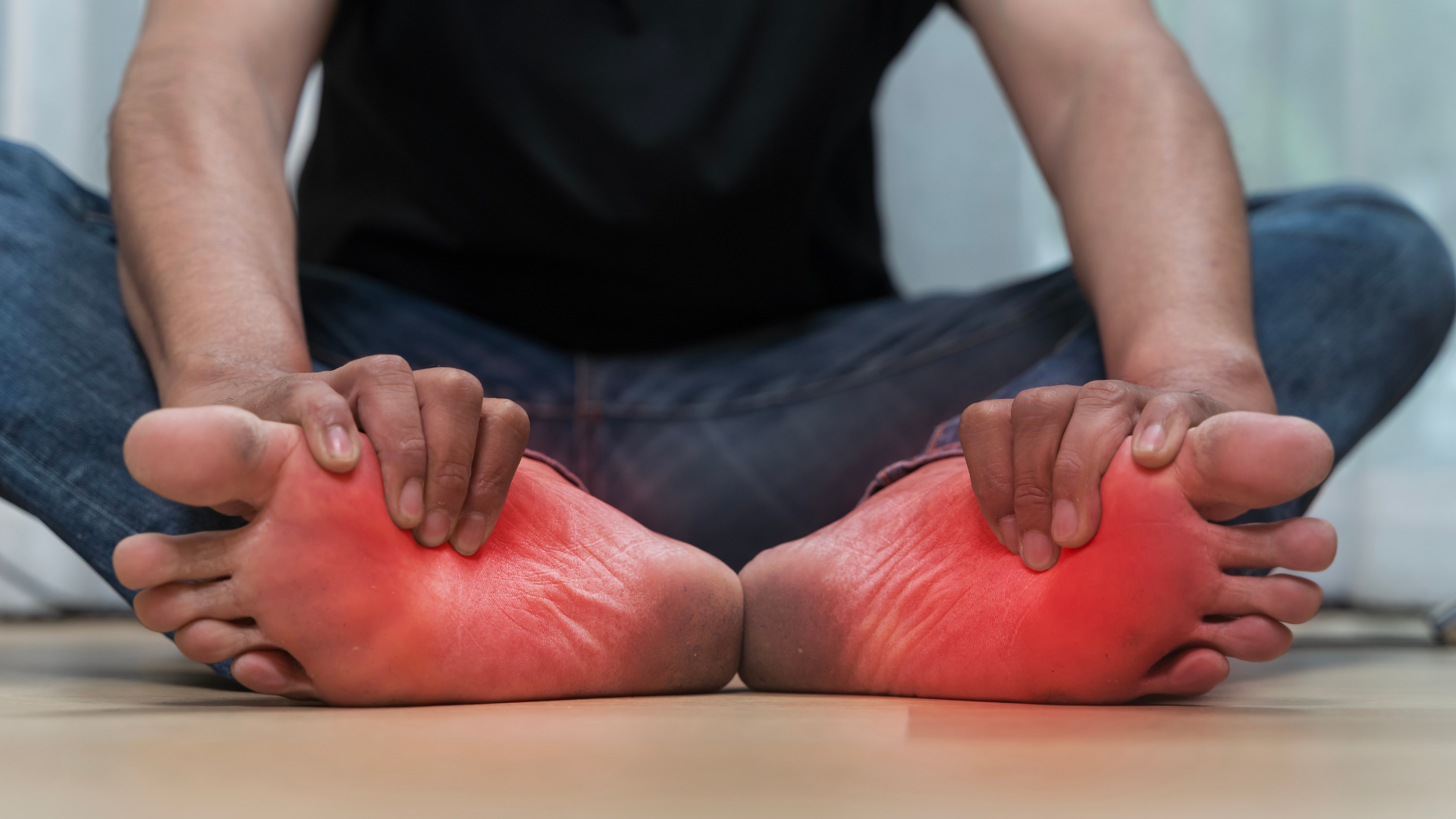
Peripheral Neuropathy and Falls: The Connection Most Patients Never Hear About
The goal of neurological PT for neuropathy is not to reverse nerve damage — that is outside the scope of physical therapy. The goal is to retrain the nervous system to compensate for the missing or degraded sensory input.

Is Your "Headache" Actually a Jaw Muscle Problem? What Dry Needling Reveals About TMJ Pain
One of the most striking patterns we see in clinical practice is the patient who arrives having been to the dentist, the ENT, and the neurologist — all within the past year, all for the same symptoms — and who has never had their jaw muscles examined as a potential pain source.
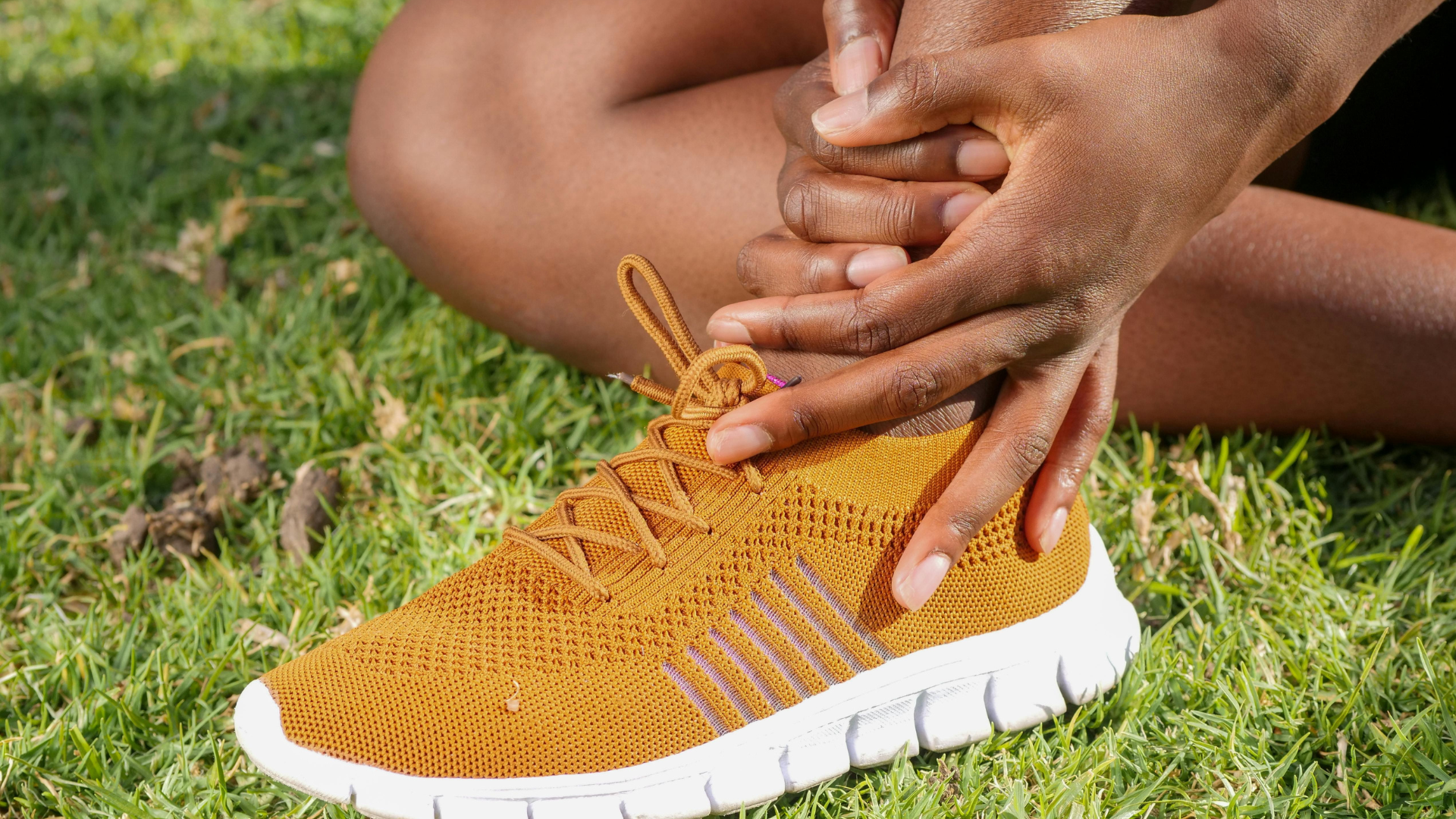
Why Your Achilles Still Hurts After Months of Rest (And What Actually Fixes It)
Achilles injuries exist on a spectrum. In the early, acute phase — the first few days or weeks after an aggravating event — the tendon is inflamed.

Why High-Performing Athletes and Stressed Professionals Are at Highest Risk for Overactive Pelvic Floor
There's a particular kind of person who arrives at pelvic floor physical therapy expecting to hear that their floor is weak.
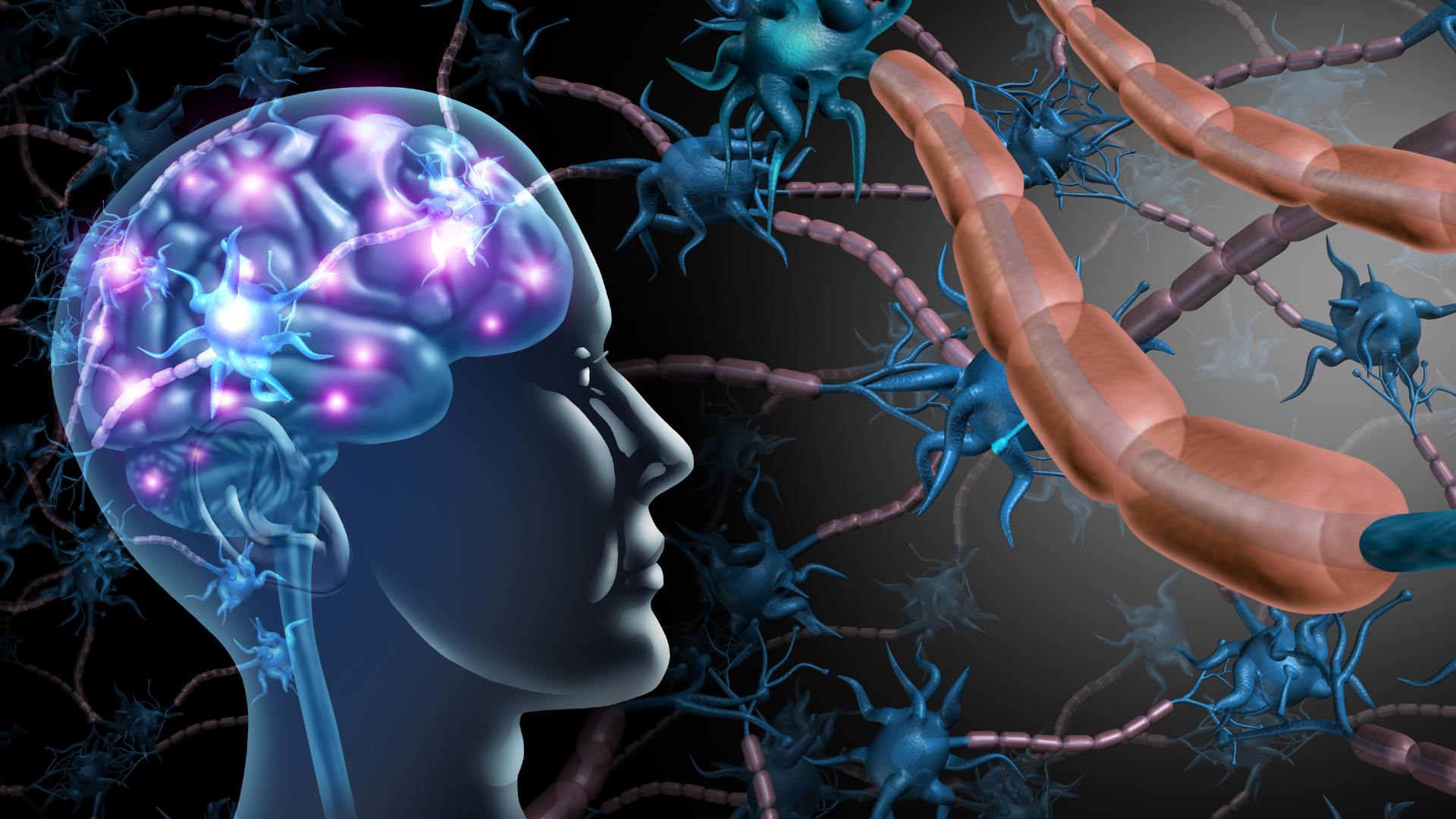
Neuroplasticity After Stroke: Why Recovery Doesn't Have an Expiration Date
One of the most damaging things a stroke survivor can be told — explicitly or implicitly — is that whatever function they haven't recovered by six months post-stroke is probably permanent.

Piriformis Syndrome: The Sciatica Diagnosis Your MRI Can't Find
Sciatica is one of the most common pain complaints in adults — and one of the most frequently misattributed.
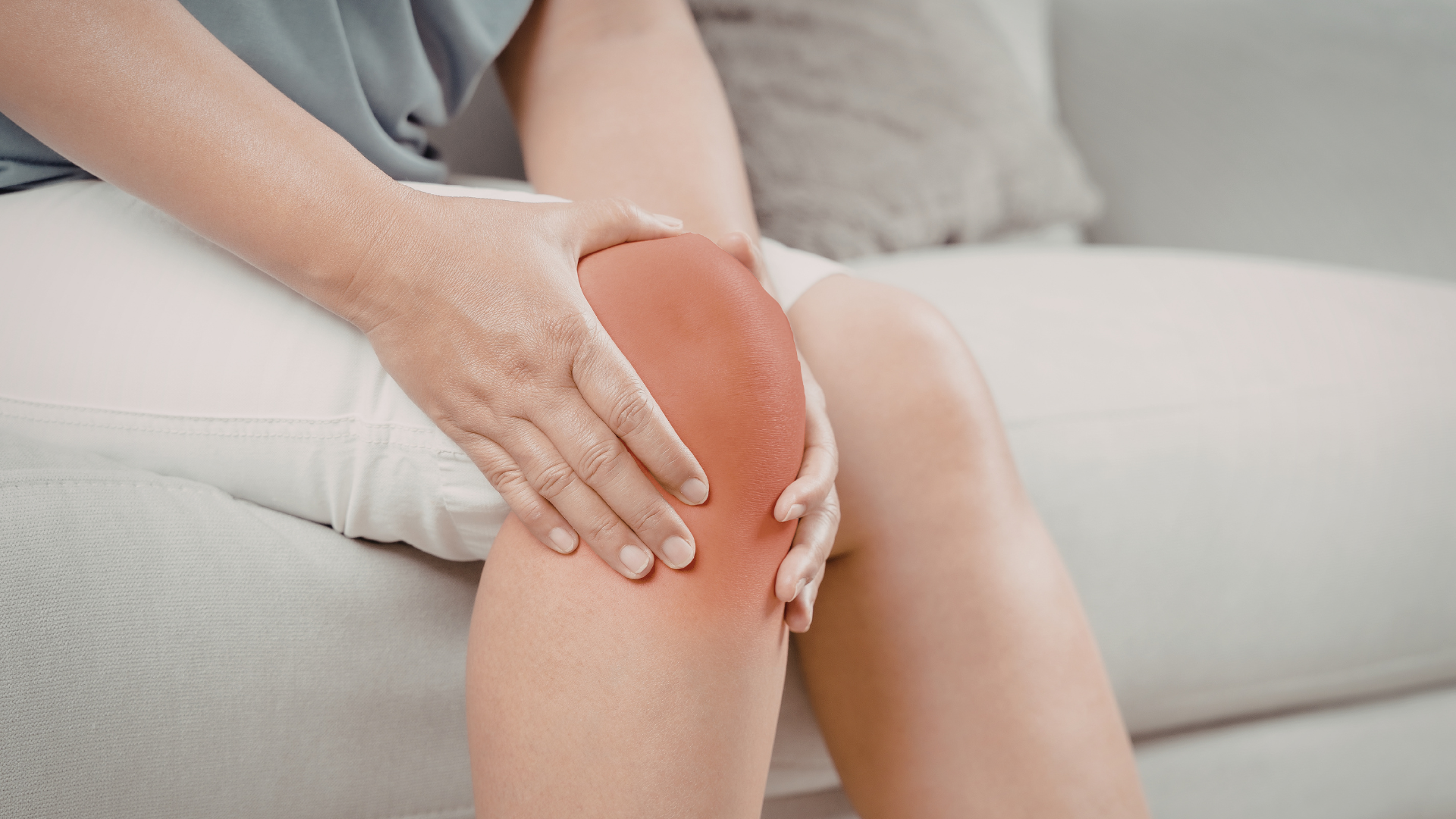
"Bone on Bone": Why That Diagnosis Isn't the End of the Road
Few phrases in orthopedic medicine carry more weight for patients than "bone on bone." It comes with an implicit message: your joint is worn out, the cartilage is gone, and surgery is the logical next step.
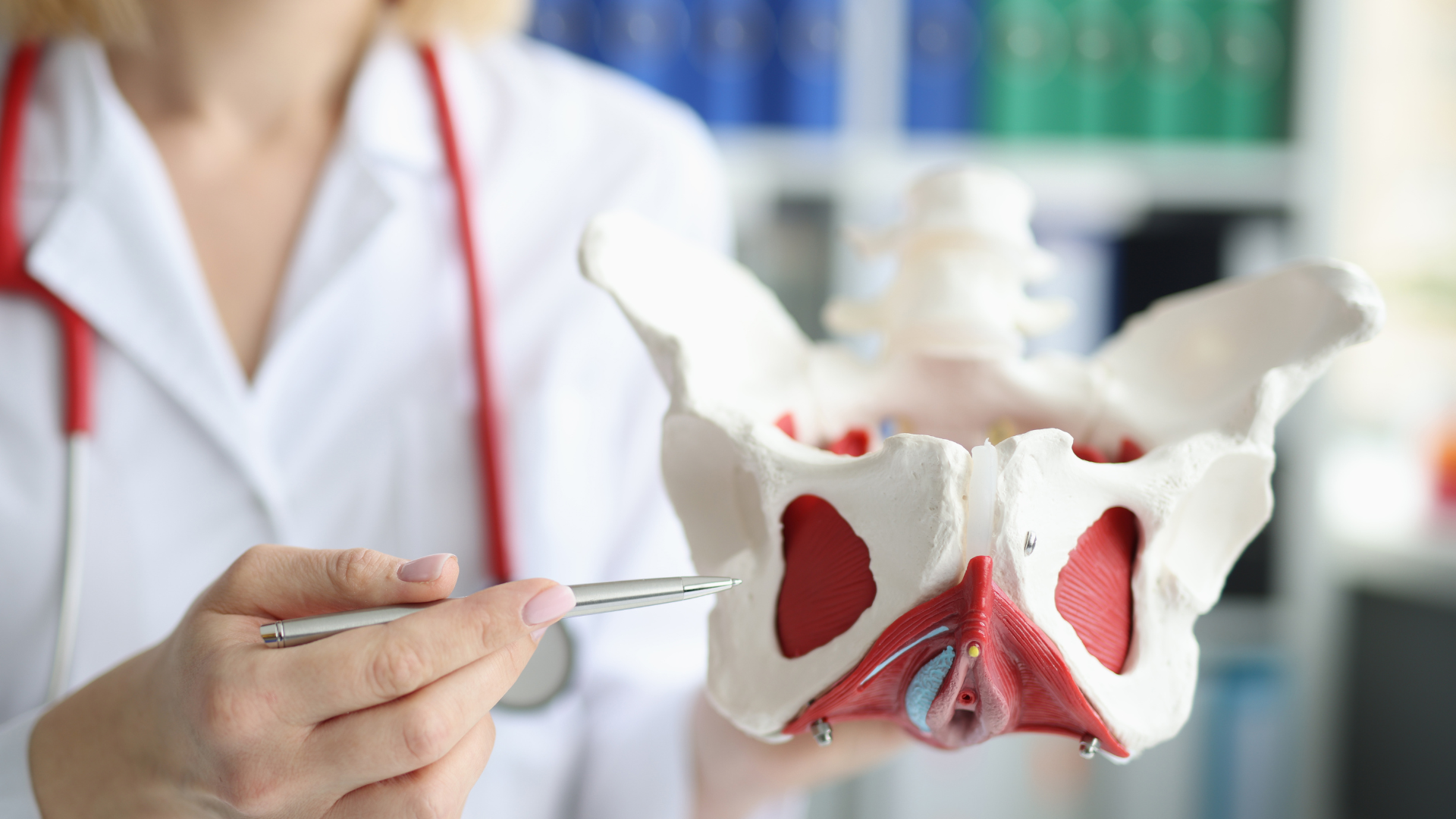
Overactive vs. Underactive Pelvic Floor: Why Getting the Diagnosis Right Changes Everything
When most people hear "pelvic floor dysfunction," they picture one thing: weakness. A pelvic floor that can't hold things in, can't generate enough contraction, can't do its job.
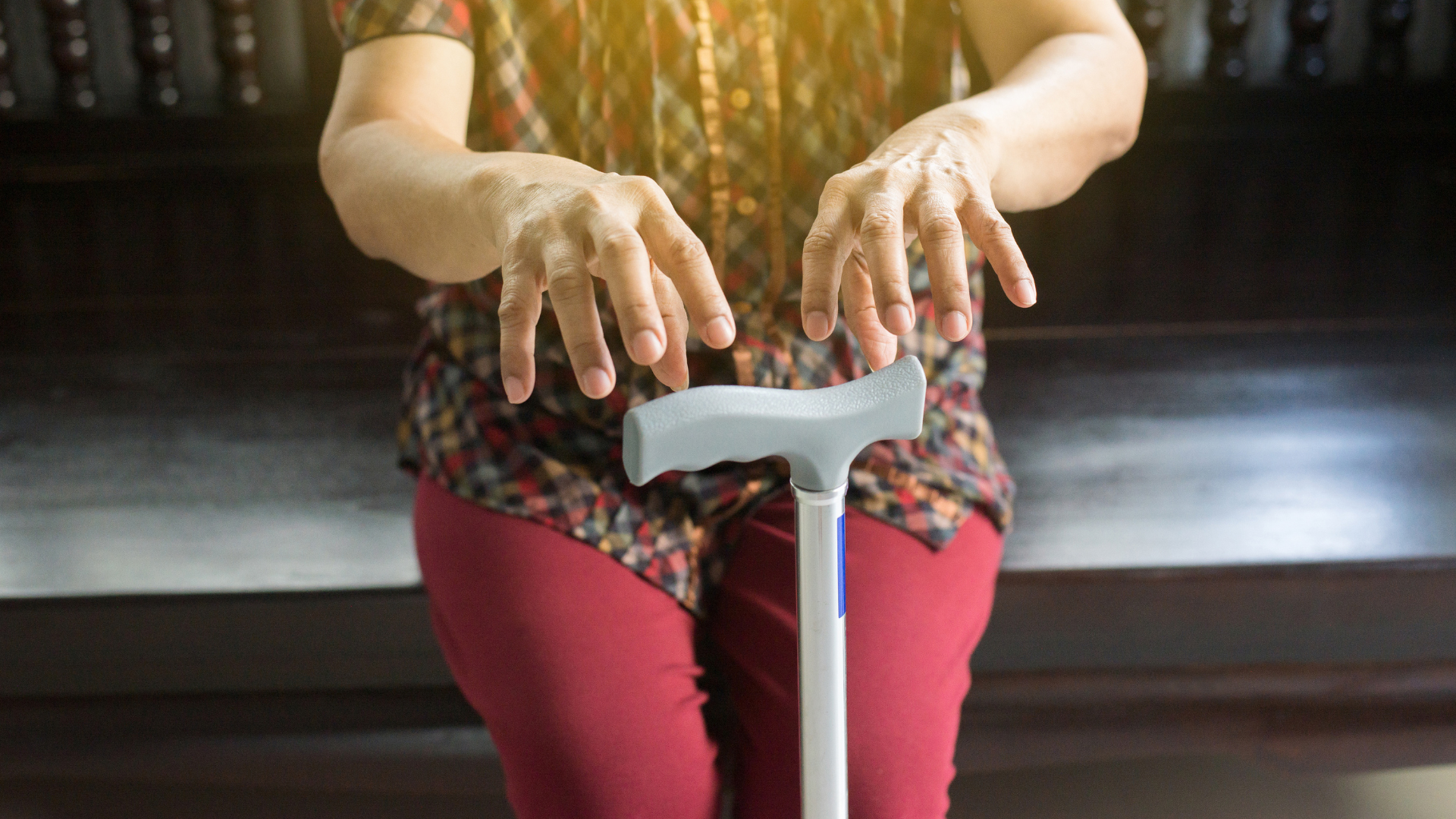
Freezing of Gait in Parkinson's: What It Is, Why It Happens, and How Neurological PT Helps
Of all the symptoms that come with Parkinson's disease, freezing of gait is among the most frightening — for the person experiencing it and the family watching it happen.

Why Balance Training Is the Most Important Exercise You're Probably Not Doing
Balance training rarely makes the list of "must-do" exercises. It's not as obviously beneficial as cardio for heart health or strength training for muscle mass.