One of the most damaging things a stroke survivor can be told — explicitly or implicitly — is that whatever function they haven't recovered by six months post-stroke is probably permanent.
This idea has deep roots in older neuroscience, which held that the adult brain was largely fixed and incapable of significant reorganization after injury. It turns out this was wrong — significantly, consequentially wrong.
What Neuroplasticity Actually Means
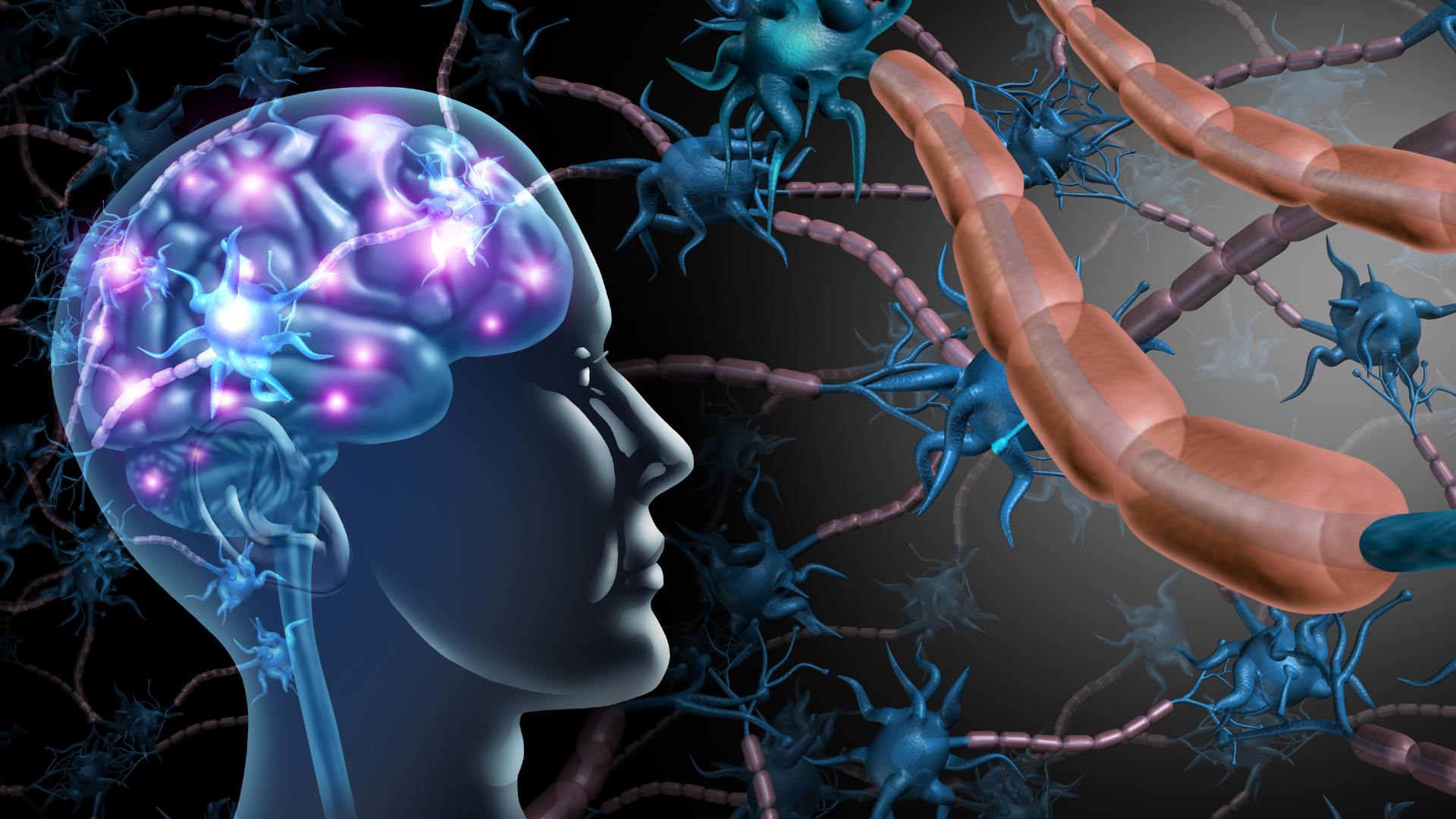
Neuroplasticity refers to the brain's ability to reorganize itself structurally and functionally in response to experience and input. In the context of stroke recovery, this means the brain can form new synaptic connections, reroute neural signals around damaged tissue, and reassign functions to undamaged regions.
This capacity doesn't disappear after six months. It doesn't disappear after a year. Research has consistently demonstrated meaningful functional recovery in stroke survivors years and even decades post-stroke, when the right therapeutic input is provided.
What does change over time is the intensity of input required to drive plasticity. Early post-stroke, the brain is in a heightened state of plasticity — changes come more readily. Later, the same changes are still possible, but they require more repetitions, more intensity, and more targeted specificity to achieve.
What Drives Neuroplastic Recovery
Not all therapy is equally effective at driving neuroplasticity. The research points to several specific principles that separate recovery-driving therapy from maintenance-level exercise:
Task-specific practice. The brain reorganizes around the specific movements it is asked to repeat. Generic strengthening exercises produce general strength gains but don't directly rebuild the neural pathways for specific functional movements. If the goal is reaching overhead, the most effective intervention is practiced, repetitive overhead reaching — not just shoulder strengthening in isolation.
Repetition and volume. Studies suggest that meaningful neuroplastic change in stroke rehabilitation requires hundreds to thousands of repetitions of a movement. This is far beyond what happens in a typical 30-minute therapy session of mixed exercises. Effective neuro PT is structured around maximizing movement-specific repetitions.
Progressive challenge. The brain adapts to what it's consistently asked to do. Therapy that stays at the same difficulty level stops driving change. Effective neurological PT progressively increases the complexity, speed, and demand of tasks as the patient improves.
Real-environment practice. Movements practiced in a clinical environment don't always transfer to the home environment, because the two settings differ in their sensory, spatial, and contextual demands. In-home therapy addresses this by practicing functional movements in the actual spaces and with the actual objects the patient uses daily.
What This Means for Long-Term Survivors
If you or a family member had a stroke more than six months ago and feel like you've "plateaued," it's worth reconsidering whether the right input has been consistently applied. Plateaus in stroke recovery often reflect a gap in therapeutic intensity or specificity, not a ceiling in neurological capacity.
Recovery is not a timeline — it's a practice. And it's never too late to intensify the practice.
📞 Call 314-252-0345 to schedule an in-home neurological PT assessment. Medicare accepted.