
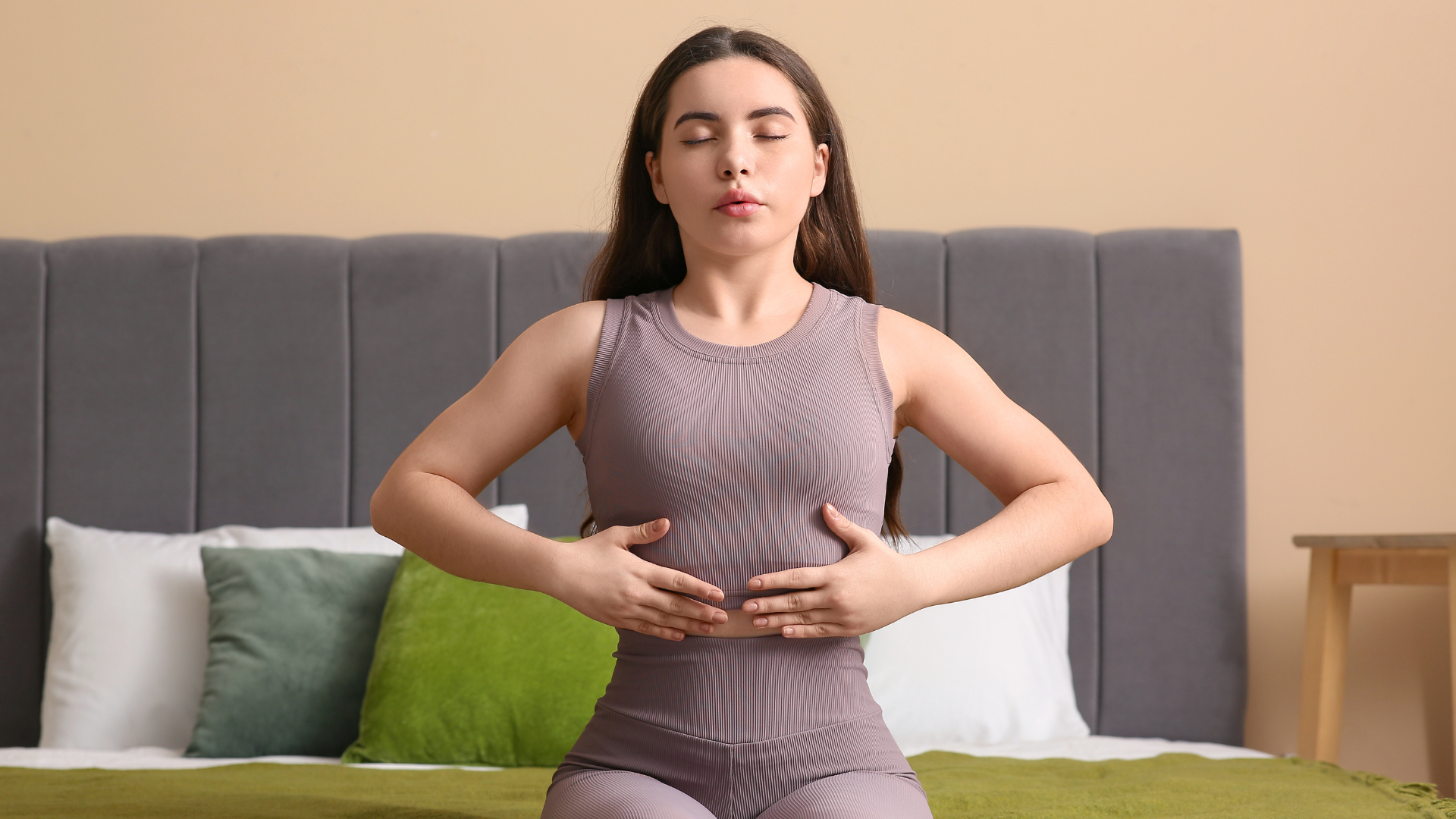
When people learn that the primary therapeutic tool for an overactive pelvic floor is breathing, the response is usually some version of skepticism. Breathing feels too simple. Too passive. Too far removed from the specific, localized problem of pelvic floor dysfunction. Surely there must be something more targeted, more active, more obviously therapeutic.
The skepticism is understandable, but it reflects a gap in understanding about the anatomical and neurological relationship between the diaphragm and the pelvic floor — a relationship that is direct, reflexive, and clinically significant.
The Anatomy of the Connection
The diaphragm and the pelvic floor function as the top and bottom of the body's primary pressure management system. The diaphragm forms the ceiling of the abdominal cavity. The pelvic floor forms its floor. The abdominal muscles wrap around the sides. Together, these structures create and regulate the intra-abdominal pressure that is generated during breathing, movement, and physical exertion.
This isn't a loose functional relationship — it's a coordinated, reflexive one. When the diaphragm descends on inhalation, the pelvic floor reflexively descends in coordination, accommodating the increased intra-abdominal pressure generated by the breath. When the diaphragm ascends on exhalation, the pelvic floor reflexively lifts. This cycle of coordinated movement happens thousands of times each day in a properly functioning system.
The word "reflexive" is important here. This movement is not volitional — it happens automatically as part of the breathing cycle, below the level of conscious control. This means that breathing mechanics have a direct, automatic effect on pelvic floor mechanics. Poor breathing patterns — chest breathing, breath-holding, shallow thoracic breathing — disrupt the normal cycle of pelvic floor descent and ascent and contribute to the sustained elevation in resting tone that characterizes pelvic floor overactivity.
What Happens When Breathing Mechanics Break Down
In many of the populations most vulnerable to pelvic floor overactivity — high-intensity athletes, chronically stressed individuals, people who habitually hold their core "engaged" — breathing mechanics are compromised in a predictable way. Breaths are shallow and primarily thoracic. The diaphragm does not fully descend. The abdomen does not rise and expand on inhalation because the breath is being taken high in the chest.
Without the diaphragm descending fully, the reflexive signal to the pelvic floor to lengthen on inhalation is absent or diminished. The pelvic floor stays up — slightly contracted, slightly elevated — throughout the breathing cycle, never receiving the natural lengthening stimulus that full diaphragmatic breathing provides.
Over time, this loss of the natural lengthening cycle contributes to the progressive increase in resting tone that defines an overactive floor. The floor is not making a conscious decision to stay tight — it is simply never receiving the neurological cue to release.
How Diaphragmatic Breathing Resets the System
When a patient learns to breathe diaphragmatically — slowly, through the nose, allowing the abdomen to rise and the lower ribs to expand rather than the chest — the diaphragm begins to descend fully on each inhalation. This descent re-establishes the reflexive lengthening signal to the pelvic floor. On each full inhalation, the pelvic floor receives the cue it has been missing: descend, open, lengthen.
For many patients with overactive pelvic floors, the consistent practice of diaphragmatic breathing produces noticeable improvements in pelvic tension, pain levels, and symptom severity before any other intervention is applied. It is not a complete treatment on its own — but it is the foundational tool without which other interventions are less effective.
The practical instruction is straightforward: inhale slowly through the nose. Feel the abdomen rise, not the chest. Allow the lower ribs to expand laterally. At the peak of the inhalation, the pelvic floor should feel like it has dropped slightly — softened, descended, opened. On the exhale, it gently lifts. The cycle repeats.
For patients who are very overactive and very symptomatic, even the exhale lift may be too much at first. In those cases, the instruction is simply to breathe in and let everything drop — and breathe out without any attempt to engage or contract. Just breathe. The release happens in the inhalation.
📞 Call 314-252-0345 to schedule an in-home pelvic floor PT assessment.