
Why Your Achilles Still Hurts After Months of Rest (And What Actually Fixes It)
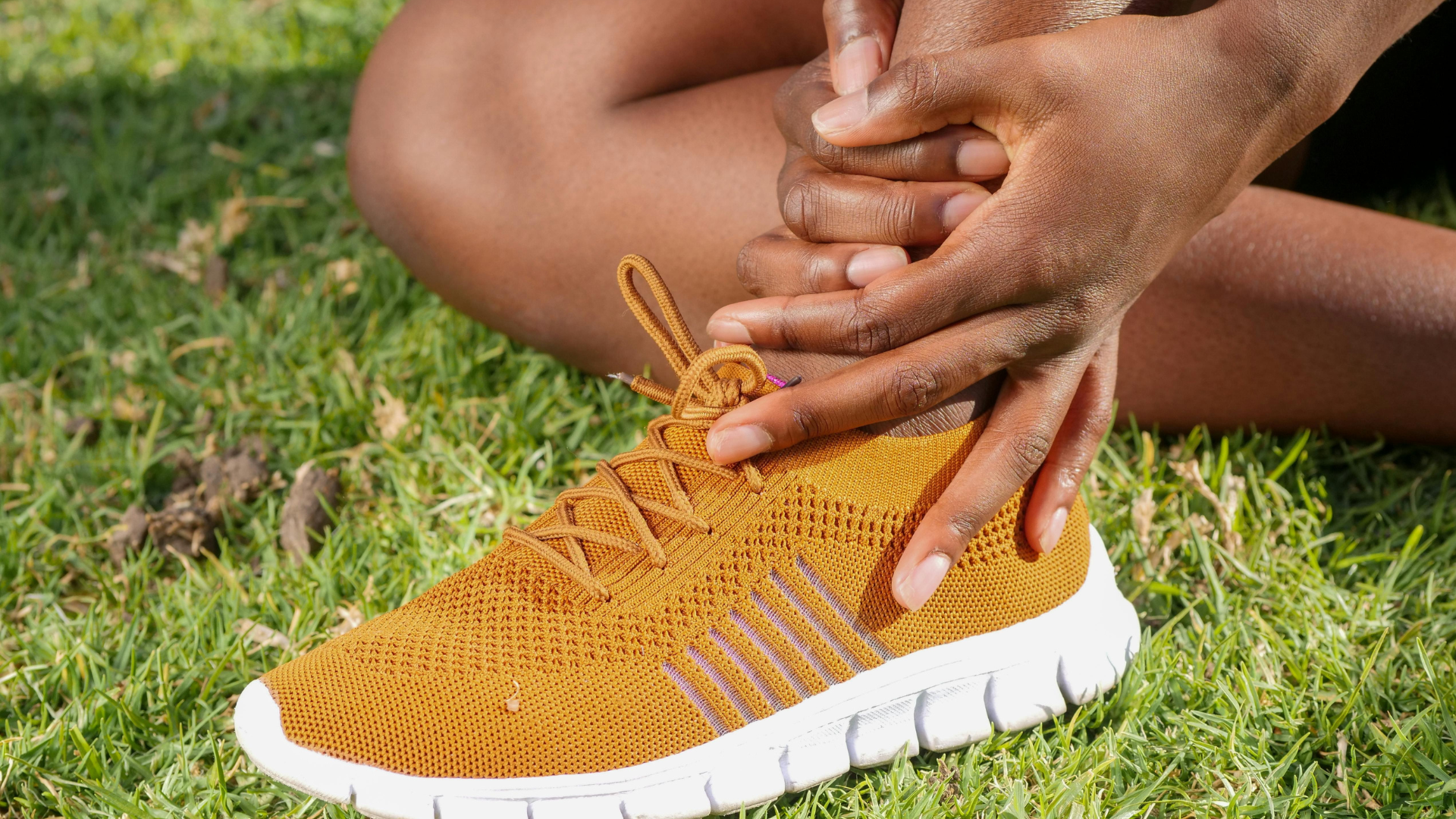
If you've been dealing with Achilles pain for more than three months and doing everything you're supposed to — rest, ice, stretching, maybe a heel lift — and the pain keeps coming back every morning when your foot hits the floor, there's a specific biological reason. And understanding it changes the entire approach to treatment.
The Inflammation-to-Degeneration Shift
Achilles injuries exist on a spectrum. In the early, acute phase — the first few days or weeks after an aggravating event — the tendon is inflamed. The classic RICE protocol (rest, ice, compression, elevation) is appropriate here because it targets that acute inflammatory response.
But if the tendon doesn't fully recover during that window, the biology of the injury changes. The ongoing mechanical stress on the partially-healed tendon outpaces its repair capacity, and the tissue enters a degenerative state called tendinosis. In tendinosis, the organized, parallel collagen fibers that give a healthy tendon its tensile strength have been replaced by disorganized, randomly oriented scar tissue. The tissue is weaker, less elastic, and significantly less capable of self-repair.
Critically: tendinosis is not inflammatory. The histology of chronic Achilles tendinopathy shows very little inflammatory cell infiltration. Instead, there is collagen disorganization, increased ground substance (the matrix between collagen fibers), and the growth of abnormal, pain-generating nerve fibers into the tendon tissue.
This is why ice and anti-inflammatory medication stop working for chronic Achilles pain. They're targeting a pathology that has already moved on.
The Blood Supply Problem
The Achilles tendon is one of the most poorly vascularized structures in the body. A segment approximately 2–6 centimeters above the insertion point — precisely where most chronic Achilles tendinopathy occurs — receives significantly less blood flow than the rest of the tendon. This poor perfusion is one of the reasons Achilles tendinopathy is so stubborn: the nutrients and repair cells that a well-vascularized tissue would recruit to the injury site simply can't get there efficiently.
How SoftWave Changes the Biology
SoftWave Therapy addresses both of the core problems in chronic Achilles tendinopathy: the collagen disorganization and the poor blood supply.
The acoustic waves stimulate tenocytes — the specialized cells that produce and maintain tendon collagen — to increase their synthetic activity. This promotes the production of new, organized collagen to replace the disorganized scar tissue. The waves also trigger angiogenesis, the formation of new blood vessels, in the poorly perfused region of the tendon. This dramatically improves the local supply of oxygen, nutrients, and repair cells.
Additionally, the waves recruit mesenchymal stem cells to the treatment area, supporting tissue regeneration beyond what tenocyte activity alone can accomplish, and they modulate the activity of the abnormal nerve fibers in the tendon that are contributing to the chronic pain signal.
The result is not symptom management. It's a genuine improvement in the tissue quality of the tendon — something that rest and stretching alone cannot achieve once the injury has progressed to tendinosis.
📞 Call 314-252-0345 to schedule a SoftWave Discovery Session. We come to you, no clinic required.